JayNike MineralsJayNike Minerals

Active Inventory

Everything we’re trading right now.

Every mineral below is in active trade. For each one we’ve set out what the material is, the specification we supply against, how we process it from pit to packed container, and where in the world it ships. Send us a volume and a destination port and we’ll quote it.

Minerals trading now
8
Shipping terms
FOB / CIF
Order volumes
1 MT+
Assay documentation
Per lot
01

Base & Battery Metals

Lead–Zinc

Galena and sphalerite ore from the Benue Trough belt.
PbS / ZnS
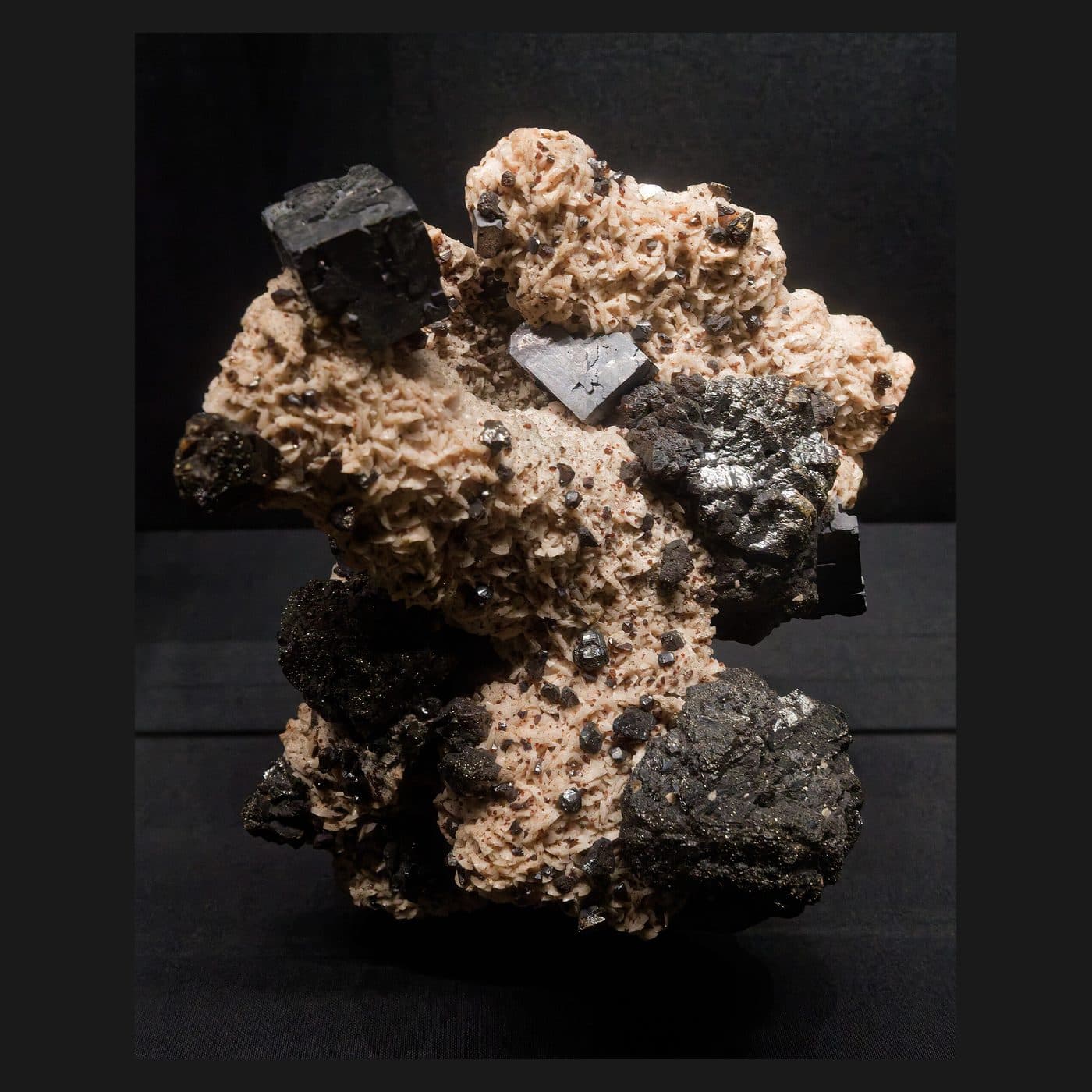
Lead–Zinc specimenMarie-Lan Taÿ Pamart, CC BY 4.0

Specification

Chemical form
Galena (PbS), Sphalerite (ZnS)
Typical lead grade
55–70% Pb, hand-sorted lump
Typical zinc grade
45–58% Zn concentrate
Form supplied
Hand-sorted lump ore or concentrate
Typical sizing
0–30 mm lump; −200 mesh concentrate
Packaging
1 MT jumbo bags, container-loaded
Source region
Ebonyi, Benue, Nasarawa, Plateau

What it is

Lead and zinc occur together in Nigeria as galena (lead sulphide) and sphalerite (zinc sulphide), hosted in the vein systems running through the Benue Trough. We source from the Ebonyi, Benue, Nasarawa and Plateau belt, where the two sulphides are mined and sorted as a pair. Galena is the dense, bright metallic-grey material buyers recognise on sight; sphalerite runs from honey-brown to near black depending on iron content.

How we process it

  1. 1

    Extraction

    Ore is won from vein workings and brought to a central collection yard.

  2. 2

    Crushing & hand sorting

    Run-of-mine rock is crushed and hand-cobbed to strip waste rock and lift the head grade before any wet processing.

  3. 3

    Gravity separation

    Jigs and shaking tables exploit galena's very high density to separate lead from the lighter gangue.

  4. 4

    Flotation

    Where concentrate grade is required, differential flotation splits the lead and zinc sulphides into separate saleable products.

  5. 5

    Drying & assay

    Material is dried to contract moisture, sampled, and assayed before bagging.

  6. 6

    Bagging & loading

    Weighed into jumbo bags, sealed, and stuffed to container weight limits for the nominated port.

What it becomes

  • Lead-acid battery manufacture
  • Galvanising and zinc coating
  • Radiation shielding
  • Brass and bronze alloying
  • Die-cast components

Where it’s exported

Smelter and refinery demand is concentrated in China, India and Türkiye, with secondary refining capacity across Europe and South-East Asia.

We ship FOB or CIF to any destination port you nominate.

Request Lead–Zinc Pricing
02

Base & Battery Metals

Lithium

Spodumene-bearing pegmatite ore for the battery supply chain.

LiAl(SiO₃)₂
Lithium specimenGéry PARENT, public domain

Specification

Chemical form
Spodumene, LiAl(SiO₃)₂
Typical ore grade
1.5–4% Li₂O, hand-sorted lump
Concentrate benchmark
5.5–6% Li₂O (SC6) where beneficiated
Form supplied
Lump ore, crushed ore, concentrate
Typical sizing
0–50 mm crushed; sized to order
Penalty elements
Fe₂O₃, mica content — assayed per lot
Packaging
1 MT jumbo bags or bulk container
Source region
Nasarawa, Kogi, Kwara, Ekiti, Oyo

What it is

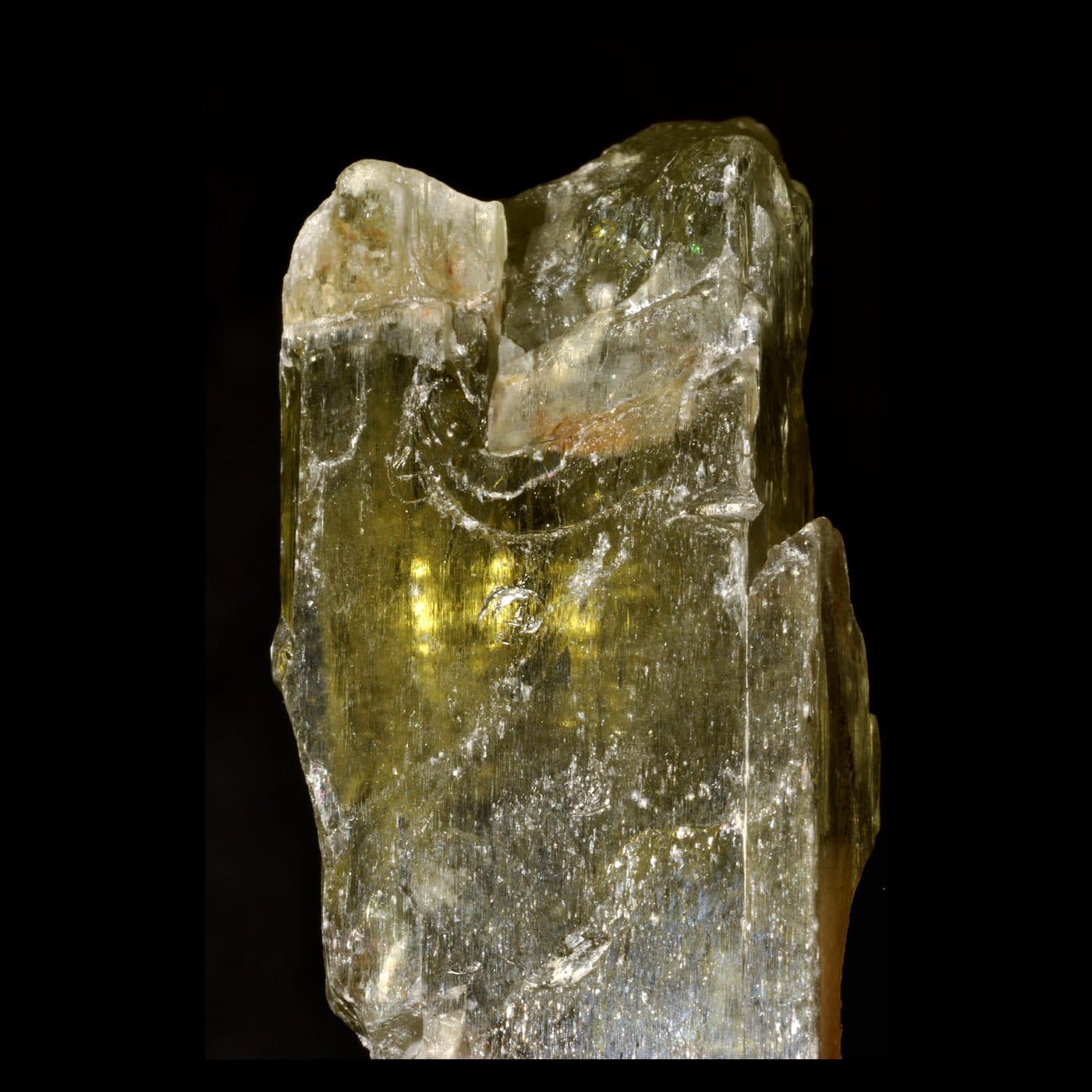
Nigeria's lithium sits in granitic pegmatites running through Nasarawa, Kogi, Kwara, Ekiti and Oyo, and the country has become a significant exporter of lithium ore over the last several years. The primary mineral is spodumene, a lithium aluminium silicate; it is the same feedstock that Western hard-rock lithium projects supply, and it converts downstream into the lithium carbonate and hydroxide used in cathode manufacture.

How we process it

  1. 1

    Pegmatite extraction

    Spodumene-bearing rock is won from pegmatite dykes and stockpiled at the pit.

  2. 2

    Hand sorting

    Spodumene crystals are visually distinct from the host granite, so hand sorting delivers a substantial grade lift before any plant work.

  3. 3

    Crushing & screening

    Material is reduced and screened to the size fraction the buyer's converter requires.

  4. 4

    Dense media separation

    Where higher grades are called for, DMS uses the density contrast between spodumene and quartz-feldspar gangue to upgrade the ore.

  5. 5

    Sampling & assay

    Each lot is sampled and assayed for Li₂O and penalty elements; results travel with the shipment.

  6. 6

    Bagging & loading

    Bagged, weighed, sealed and containerised for export.

What it becomes

  • Lithium-ion battery cathode feedstock
  • EV and grid storage supply chains
  • Technical glass and glass-ceramics
  • High-temperature lubricating greases
  • Continuous-casting mould flux

Where it’s exported

Conversion capacity is dominated by China, with growing refining demand from South Korea, Japan, the European Union and North America as domestic cell manufacturing scales.

We ship FOB or CIF to any destination port you nominate.

Request Lithium Pricing
03

Base & Battery Metals

Copper Ore

Sulphide and oxide copper ore for smelting and electrical use.

CuFeS₂ / Cu₂CO₃(OH)₂
Copper Ore specimenDidier Descouens, CC BY-SA 3.0

Specification

Chemical form
Chalcopyrite (CuFeS₂), Malachite (Cu₂CO₃(OH)₂)
Typical grade
15–30% Cu, sorted lump ore
Concentrate grade
20–30% Cu where floated
Form supplied
Lump ore, crushed ore, concentrate
Typical sizing
0–50 mm; sized to buyer spec
Packaging
1 MT jumbo bags, container-loaded
Source region
Nasarawa, Zamfara, Bauchi, Gombe, Kano

What it is

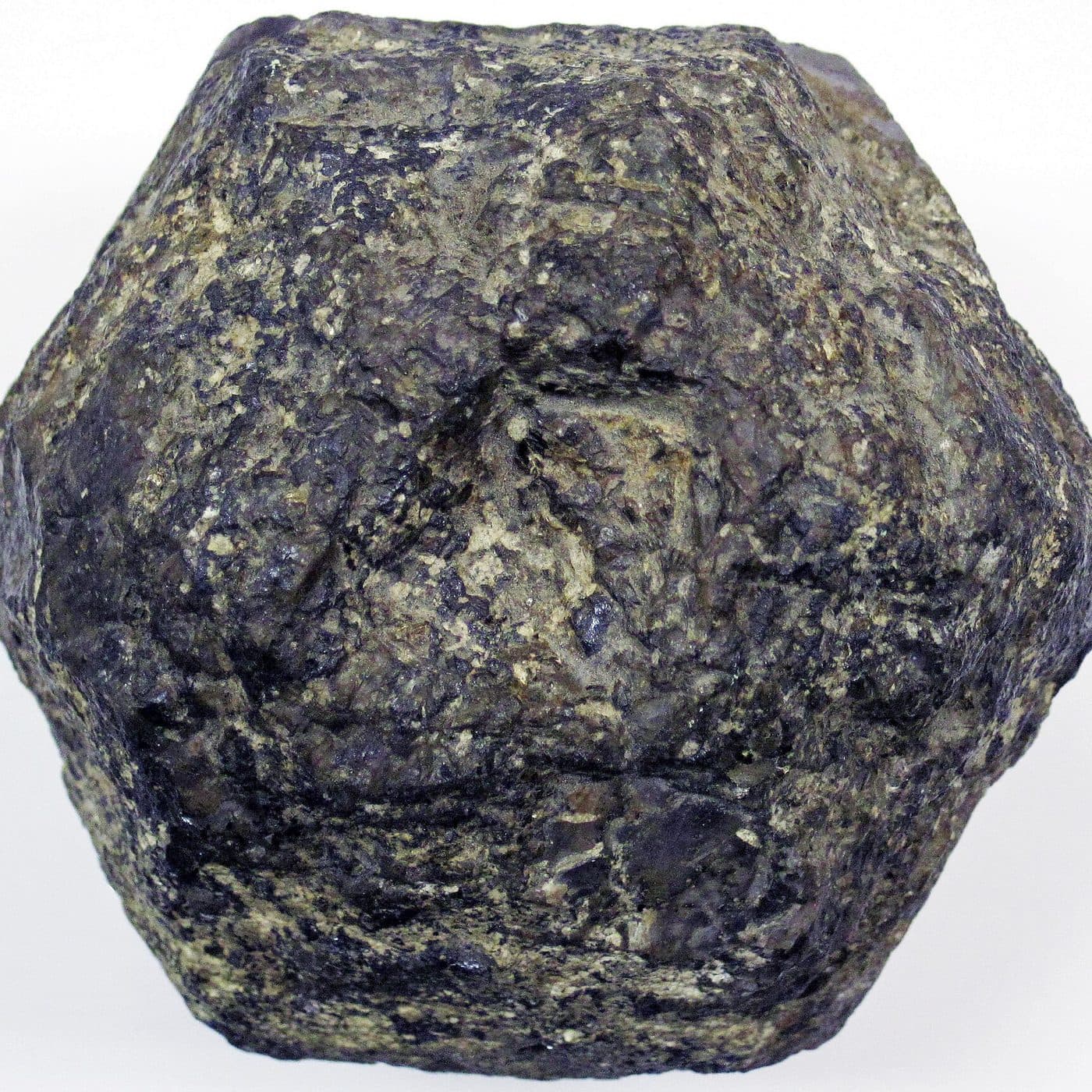
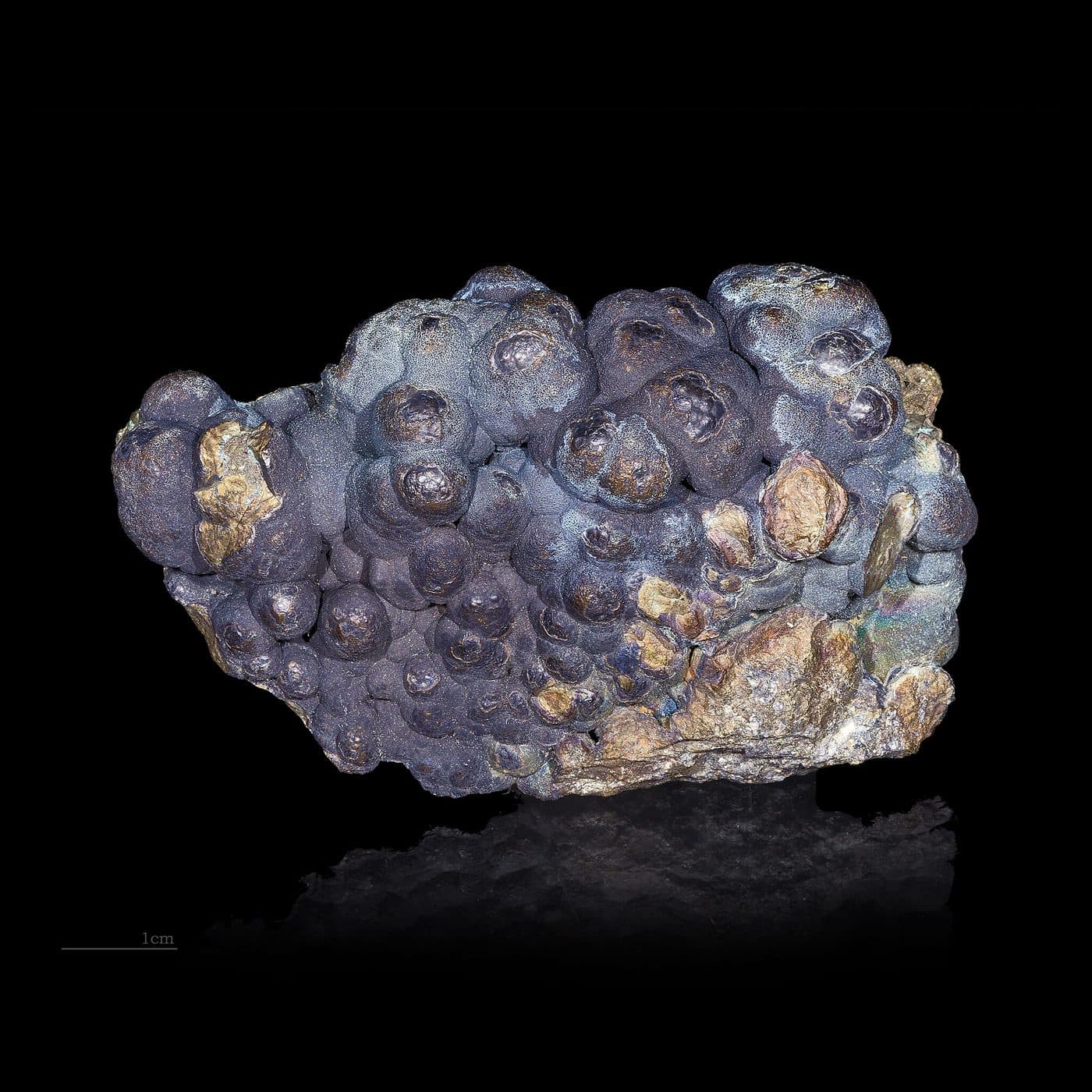
Copper reaches us in two forms: chalcopyrite, the brass-yellow sulphide that carries most of the world's copper, and the green oxide minerals malachite and azurite that form where deposits have weathered near surface. Nigerian occurrences run through Nasarawa, Zamfara, Bauchi, Gombe, Plateau and Kano. The two ore types are handled differently downstream, so we grade and keep them separate.

How we process it

  1. 1

    Extraction & stockpiling

    Ore is won from vein and near-surface workings and staged for sorting.

  2. 2

    Crushing & hand sorting

    Crushed and hand-cobbed to remove barren rock; sulphide and oxide ore are separated at this stage because they follow different treatment routes.

  3. 3

    Gravity concentration

    Jigging and tabling recover the denser copper minerals from the gangue.

  4. 4

    Flotation

    Sulphide ore is floated to concentrate grade where the buyer's smelter requires it.

  5. 5

    Drying & assay

    Dried to contract moisture, then sampled and assayed for Cu and penalty elements.

  6. 6

    Bagging & loading

    Weighed, bagged, sealed and stuffed for the nominated port.

What it becomes

  • Electrical wiring and cabling
  • Construction plumbing and roofing
  • Electronics and connectors
  • Renewable generation and grid infrastructure
  • EV motors and charging networks

Where it’s exported

China holds the majority of world smelting capacity, with additional demand from India, Japan, South Korea and European refiners.

We ship FOB or CIF to any destination port you nominate.

Request Copper Ore Pricing
04

Base & Battery Metals

Lepidolite

Lithium-bearing mica — an alternative battery feedstock.

K(Li,Al)₃(Al,Si,Rb)₄O₁₀(F,OH)₂
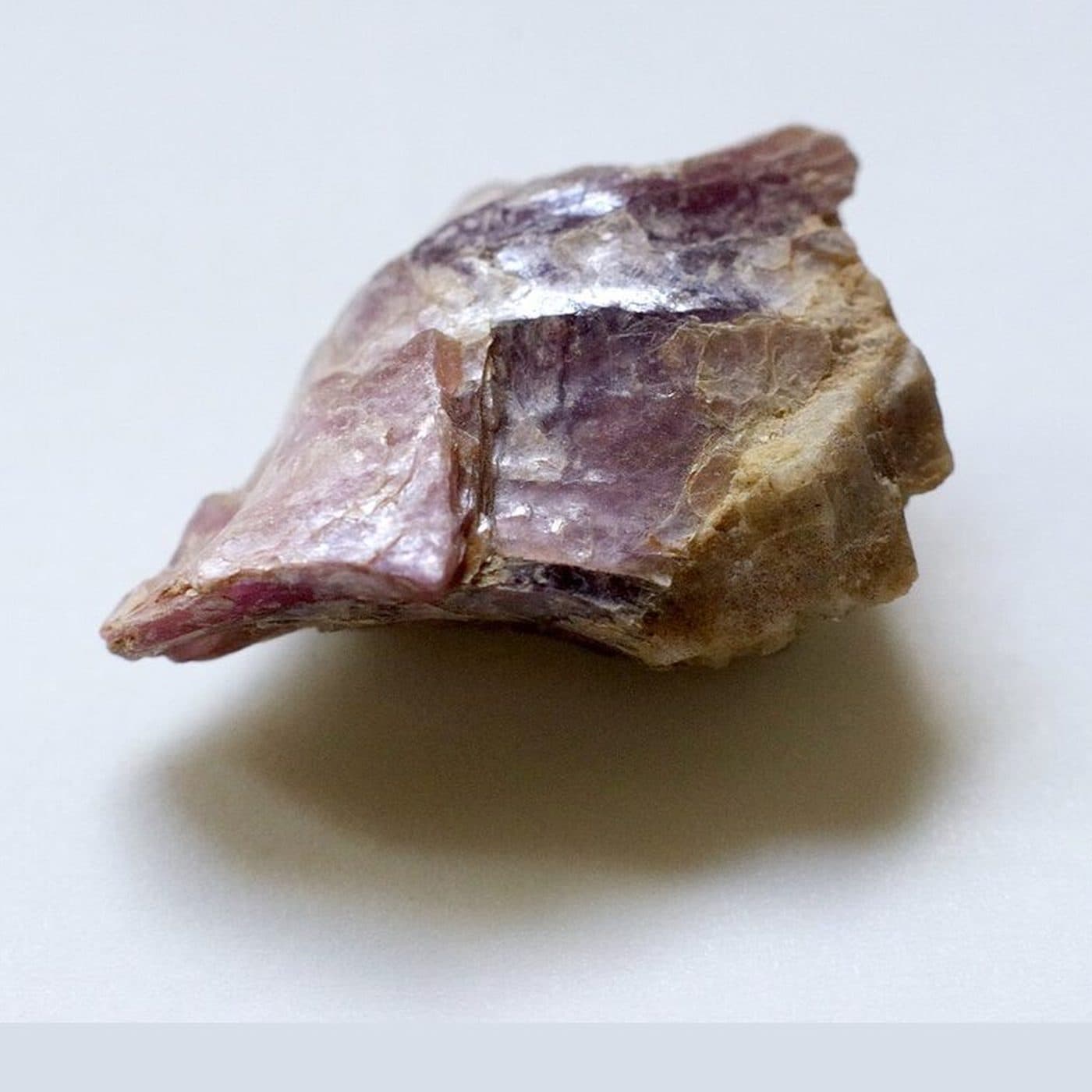
Lepidolite specimenJan Helebrant, CC BY-SA 2.0

Specification

Chemical form
Lithium mica, K(Li,Al)₃(Al,Si,Rb)₄O₁₀(F,OH)₂
Typical grade
1.5–4% Li₂O
Co-recoverable
Rubidium, caesium, potassium
Form supplied
Hand-sorted lump, flake, crushed ore
Typical sizing
0–30 mm; ground to order
Packaging
1 MT jumbo bags
Source region
Nasarawa, Kogi, Ekiti, Oyo

What it is

Lepidolite is the lilac-to-pink lithium mica that occurs alongside spodumene in the same Nigerian pegmatite fields. It carries less lithium per tonne than spodumene, but it is softer, easier to liberate, and Chinese converters have built substantial capacity around it — which makes it a real feedstock in its own right rather than a by-product. It also carries recoverable rubidium and caesium, which some buyers value separately.

How we process it

  1. 1

    Extraction

    Won from the same pegmatite systems that host spodumene, often from the mica-rich zones of the dyke.

  2. 2

    Hand sorting

    The distinctive lilac colour and platy habit make lepidolite straightforward to sort by hand at high recovery.

  3. 3

    Crushing & screening

    Reduced and screened; the mica's cleavage means it liberates readily at modest crush sizes.

  4. 4

    Flotation

    Mica flotation upgrades the concentrate where a converter specifies a higher Li₂O feed.

  5. 5

    Sampling & assay

    Assayed for Li₂O, and for Rb and Cs where the buyer is paying for them.

  6. 6

    Bagging & loading

    Bagged, weighed, sealed and containerised.

What it becomes

  • Lithium carbonate and hydroxide conversion
  • Heat-resistant glass and glass-ceramics
  • Ceramic glazes and enamels
  • Rubidium and caesium extraction
  • Specialty lubricating greases

Where it’s exported

Chinese lepidolite conversion plants are the principal buyers, with additional demand from glass and ceramics manufacturers across Asia and Europe.

We ship FOB or CIF to any destination port you nominate.

Request Lepidolite Pricing
05

Industrial & Specialty Minerals

Mica

Muscovite sheet, flake and ground mica for industry.

KAl₂(AlSi₃O₁₀)(OH)₂
Mica specimenParent Géry, CC BY-SA 3.0

Specification

Chemical form
Muscovite, KAl₂(AlSi₃O₁₀)(OH)₂
Products
Sheet, block, flake, scrap, ground
Typical purity
92–98% muscovite, sorted
Sheet grading
By size, colour, stain and flatness
Ground sizing
60–325 mesh, wet or dry ground
Packaging
Bales for sheet; 25 kg or 1 MT bags for ground
Source region
Ekiti, Kogi, Kwara, Nasarawa, Oyo

What it is

Mica splits into near-perfect transparent sheets, resists heat, and does not conduct electricity — a combination almost nothing else offers, which is why it has never been fully replaced by synthetics. Nigerian muscovite comes out of Ekiti, Kogi, Kwara, Nasarawa and Oyo. It trades in three quite different products: graded sheet, flake, and ground mica, each with its own buyers and its own price basis.

How we process it

  1. 1

    Extraction

    Mica books are won by hand from pegmatite workings to avoid shattering the sheets.

  2. 2

    Cobbing & rifting

    Books are cobbed free of adhering rock and rifted — split along cleavage — into workable sheets.

  3. 3

    Trimming & grading

    Sheet is trimmed to remove cracked and stained margins, then graded by size, colour and clarity against the buyer's standard.

  4. 4

    Crushing & grinding

    Off-cuts and scrap are crushed and dry- or wet-ground into flake and micronised powder.

  5. 5

    Screening

    Ground product is screened to the mesh specification the buyer's application requires.

  6. 6

    Baling & bagging

    Sheet is baled flat; ground and flake product is bagged and palletised for container loading.

What it becomes

  • Electrical and thermal insulation
  • Electronics and capacitor dielectrics
  • Paints, coatings and sealants
  • Cosmetics and personal care pigments
  • Oil-well drilling fluids
  • Automotive plastics and sound damping

Where it’s exported

India holds the largest mica processing base, with substantial additional demand from China, the European Union and North America.

We ship FOB or CIF to any destination port you nominate.

Request Mica Pricing
06

Industrial & Specialty Minerals

Kunzite

Gem-grade pink spodumene, rough and faceting parcels.

LiAlSi₂O₆
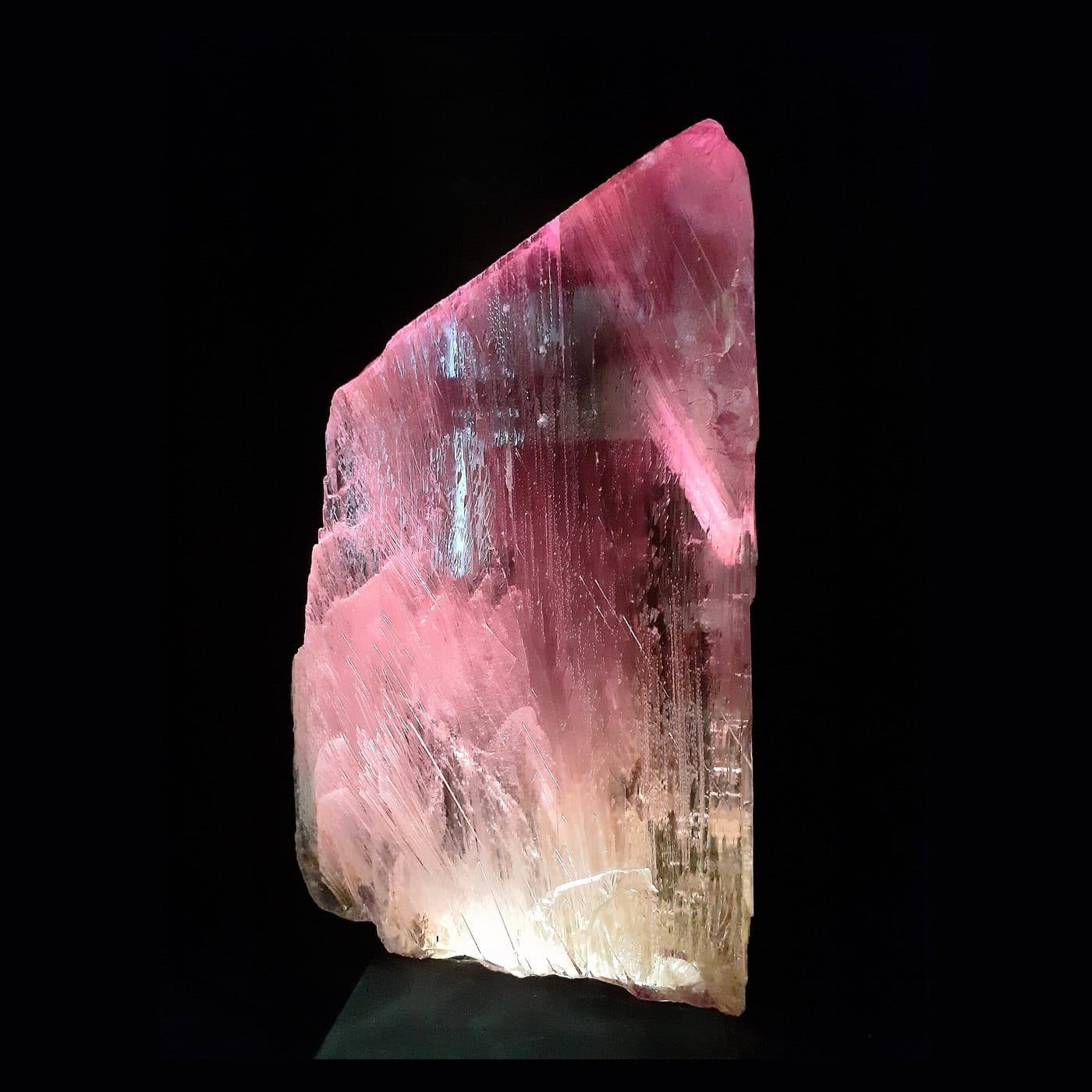
Kunzite specimenAnimalculum, CC BY 4.0

Specification

Chemical form
Spodumene, LiAlSi₂O₆
Colour range
Pale pink to lilac and violet
Mohs hardness
6.5–7, with perfect cleavage
Grades supplied
Rough crystal, preform, faceting grade
Sorting basis
Colour, clarity, size and cutting yield
Trade unit
Priced per gram or per carat by parcel
Packaging
Sealed parcel packs, light- and heat-shielded
Source region
Oyo, Nasarawa, Plateau, Kaduna

What it is

Kunzite is gem-quality spodumene coloured pink to lilac by trace manganese — the same mineral species we trade as lithium ore, but selected for clarity and colour rather than assay. Nigerian material comes from the Oyo, Nasarawa, Plateau and Kaduna pegmatites. It is strongly pleochroic, showing its best colour down the length of the crystal, which governs how a cutter orients the rough. Colour can fade under prolonged strong light, so parcels ship packed away from direct sunlight and heat.

How we process it

  1. 1

    Hand extraction

    Recovered by hand from pegmatite pockets — kunzite's perfect cleavage means mechanised extraction destroys value.

  2. 2

    Cleaning

    Crystals are washed free of clay and matrix without acid or heat, both of which can affect colour.

  3. 3

    Colour & clarity sorting

    Sorted into grades by depth of colour, inclusion level and whether the piece will take a faceted cut.

  4. 4

    Size grading

    Parcels are built to a consistent size range so a cutter knows what yield to expect.

  5. 5

    Weighing & sealing

    Weighed, recorded and sealed as a parcel, with weights and grade breakdown documented.

  6. 6

    Secure dispatch

    Shipped through secure, insured channels appropriate to gemstone value.

What it becomes

  • Faceted jewellery stones
  • Collector and specimen material
  • Lapidary and carving rough
  • Designer and bespoke settings

Where it’s exported

Cutting and trading centres in Thailand, India (Jaipur), China, Germany (Idar-Oberstein) and the United States take the bulk of gem rough.

We ship FOB or CIF to any destination port you nominate.

Request Kunzite Pricing
07

Industrial & Specialty Minerals

Tourmaline

Rubellite, indicolite and bi-colour rough from Nigerian pegmatites.

(Ca,K,Na)(Al,Fe,Li,Mg,Mn)₃(Al,Cr,Fe,V)₆(BO₃)₃Si₆O₁₈(OH,F)₄
Tourmaline specimenGéry PARENT, CC BY-SA 3.0

Specification

Chemical form
Complex boron silicate group
Colour range
Rubellite, indicolite, verdelite, bi-colour, watermelon
Mohs hardness
7–7.5
Grades supplied
Rough crystal, faceting, cabochon, specimen
Sorting basis
Colour, saturation, clarity and cutting yield
Trade unit
Priced per gram or per carat by parcel
Packaging
Sealed and weighed parcel packs
Source region
Oyo, Nasarawa, Plateau, Kaduna

What it is

Tourmaline is a complex boron silicate that spans a wider colour range than any other gem family, and Nigeria has an international reputation for it — particularly the red-to-pink rubellite and the copper-bearing material from the Ofiki, Komu and Ibadan areas of Oyo, with further production from Nasarawa, Plateau and Kaduna. Single crystals often run through several colours along their length, and those bi-colour and tri-colour pieces are graded and priced separately.

How we process it

  1. 1

    Hand extraction

    Won by hand from pegmatite pockets to keep crystal terminations and colour zoning intact.

  2. 2

    Washing

    Crystals are washed free of clay and weathered matrix so true colour can be judged.

  3. 3

    Colour grading

    Sorted by hue and saturation — rubellite, indicolite, verdelite and bi-colour material are separated into distinct parcels.

  4. 4

    Clarity & yield sorting

    Assessed for inclusions and fracturing to determine faceting, cabochon or specimen grade.

  5. 5

    Weighing & sealing

    Parcels are weighed, documented by grade, and sealed for dispatch.

  6. 6

    Secure dispatch

    Shipped through secure, insured gemstone channels.

What it becomes

  • Faceted jewellery stones
  • Cabochon and carving rough
  • Collector specimens
  • Designer and high-jewellery settings

Where it’s exported

Thailand, India, China, Germany and the United States hold the principal cutting, treatment and wholesale markets.

We ship FOB or CIF to any destination port you nominate.

Request Tourmaline Pricing
08

Industrial & Specialty Minerals

Sapphire

Basaltic corundum — gem rough and industrial grades.

Al₂O₃
Sapphire specimenJames St. John, CC BY 2.0

Specification

Chemical form
Corundum, Al₂O₃
Colour range
Blue, blue-green, yellow, parti-coloured
Mohs hardness
9
Grades supplied
Gem rough, preform, faceting grade, industrial corundum
Sorting basis
Colour, clarity, size and cutting yield
Trade unit
Per carat or per gram; industrial by weight
Packaging
Sealed parcels; bulk bags for industrial grade
Source region
Mambilla Plateau (Taraba), Bauchi, Kaduna, Plateau

What it is

Sapphire is gem corundum, aluminium oxide, and at 9 on the Mohs scale it is the hardest material we handle by a wide margin. Nigerian production is basaltic in origin, recovered from the Mambilla Plateau in Taraba and from occurrences across Bauchi, Kaduna and Plateau, and runs to the deep blues and blue-greens characteristic of basalt-hosted deposits. Material that falls short of gem clarity still has real value as industrial corundum, so we grade and sell both streams.

How we process it

  1. 1

    Recovery

    Won from weathered basaltic material and alluvial gravels by hand and by simple gravity methods.

  2. 2

    Washing & screening

    Gravels are washed and screened; corundum's density concentrates it in the heavy fraction.

  3. 3

    Hand picking

    Stones are hand-picked from the concentrate — no chemical treatment is used at this stage.

  4. 4

    Colour & clarity grading

    Sorted for hue, saturation and inclusion level; gem-grade and industrial-grade streams are separated here.

  5. 5

    Size grading & weighing

    Built into size-consistent parcels, weighed and documented by grade.

  6. 6

    Secure dispatch

    Gem parcels ship insured; industrial corundum ships bagged and containerised.

What it becomes

  • Faceted jewellery stones
  • Watch crystals and scratch-resistant optics
  • Industrial abrasives and grinding media
  • Technical and wear-resistant ceramics
  • Collector specimens

Where it’s exported

Thailand is the dominant cutting and heat-treatment centre, with further demand from Sri Lanka, India, China and abrasive manufacturers worldwide.

We ship FOB or CIF to any destination port you nominate.

Request Sapphire Pricing

Don’t see what you need?

We source well beyond our active stock. Tell us the mineral, the grade, and the volume, and we’ll put it together through our network.