
JayNike MineralsJayNike Minerals

Other Minerals

Seven more minerals, sourced to your spec.

These sit outside our active stock, but our network reaches all of them. Below is what each material is, the specification we source against, and the exact plan we run to get it to your port — including the compliance work some of them require.

Confirm a spec and we start.

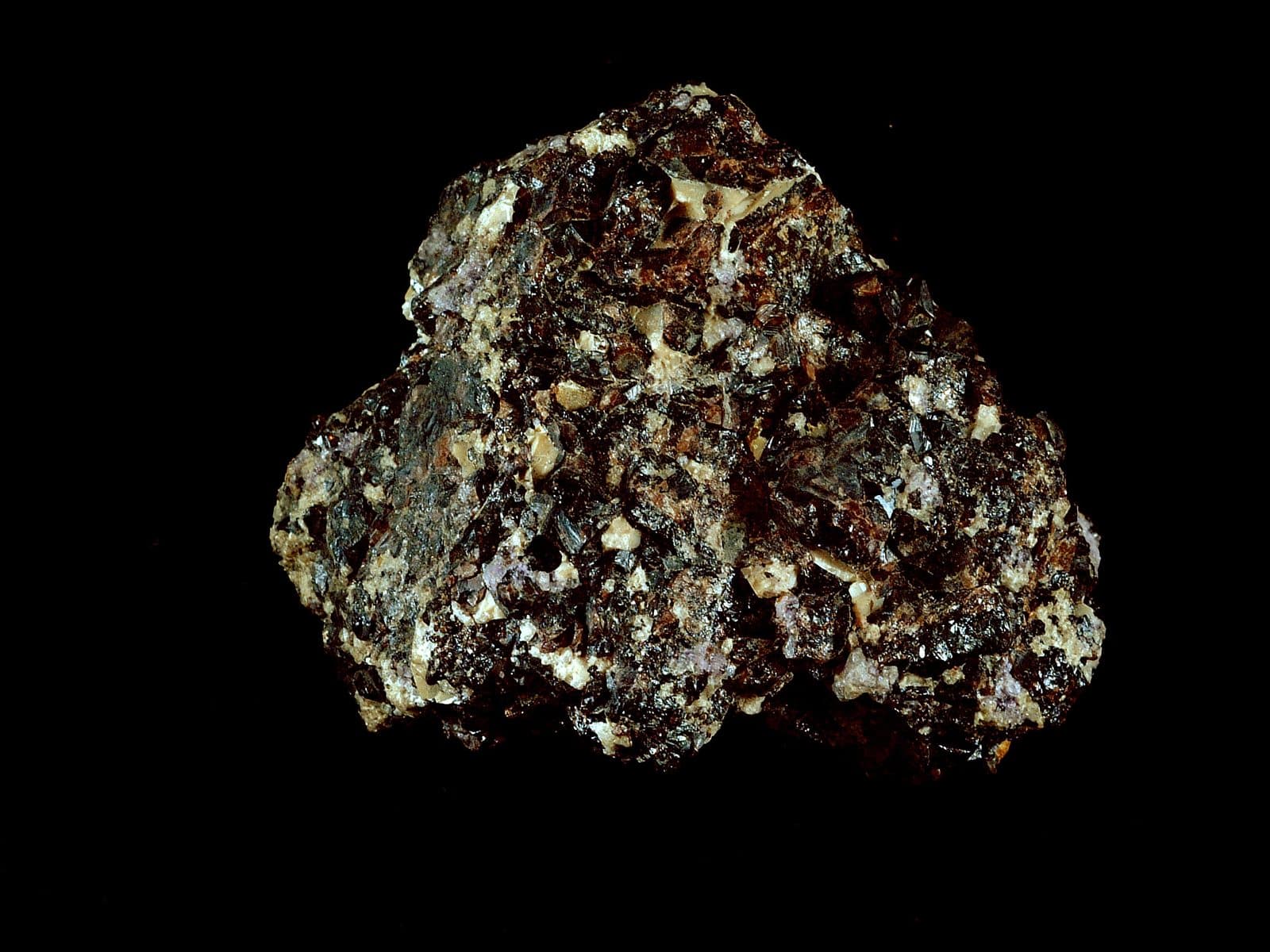
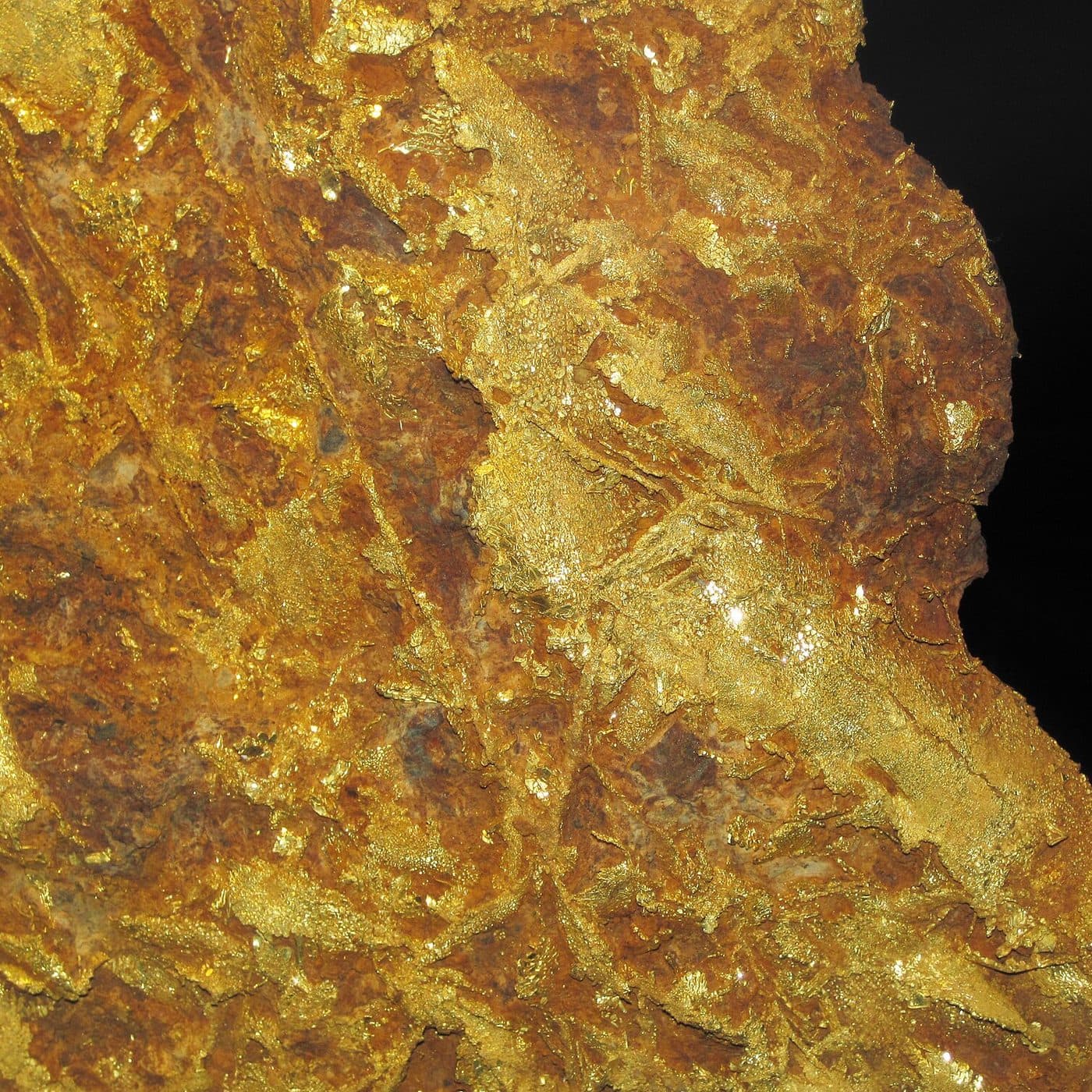
Tantalite specimen
Fernando Losada Rodríguez, CC BY-SA 4.001

Tantalum–Niobium Oxide

Tantalite

(Fe,Mn)(Ta,Nb)₂O₆

Tantalite is the principal ore of tantalum — the metal behind the compact, high-reliability capacitors in almost every phone, laptop and engine control unit. It occurs across the same Nasarawa, Kogi, Plateau, Ekiti and Oyo pegmatite belt we already work for lithium, usually alongside columbite as the columbite–tantalite series. It is exceptionally dense, which is what makes gravity recovery effective, and it is priced on contained Ta₂O₅ rather than on tonnage.

Lead time4–8 weeks from confirmed orderRegulatedSee handling note

Our plan to source it

1

Spec lock

You confirm target Ta₂O₅ grade, tonnage and destination. Because tantalite prices on contained metal, we fix the grade basis before anything else.

2

Traceable source selection

We go to holders inside the pegmatite belt who can evidence the origin of their material, since tantalum is a 3TG mineral and an untraceable lot is unsellable to a conformant smelter.

3

Chain-of-custody tagging

Material is tagged at the point of aggregation so the lot carries documented origin from mine site through to export.

4

Gravity upgrading

Concentrate is upgraded on jigs and tables, exploiting tantalite's very high density, then magnetically cleaned to lift Ta₂O₅ toward your target.

5

Assay & radiometric screening

Lab assay for Ta₂O₅ and Nb₂O₅, plus radiometric screening for uranium and thorium, which govern how the lot can legally be shipped.

6

Due diligence pack & export

We assemble the origin documentation your smelter's audit requires, then handle export licensing and freight to your port.

Regulatory handling — Tantalum is a 3TG conflict mineral. Lots ship with documented chain of custody so buyers can satisfy OECD due-diligence and downstream smelter audit requirements.

Target specification

Chemical form
Columbite–tantalite series, (Fe,Mn)(Ta,Nb)₂O₆
Target grade
25–45% Ta₂O₅ concentrate
Associated value
Nb₂O₅ typically paid separately
Form supplied
Gravity concentrate, sized
Penalty elements
U and Th (radiometric), Sn, Fe
Pricing basis
Per lb contained Ta₂O₅
Packaging
Drummed or double-bagged, sealed and tagged
Source region
Nasarawa, Kogi, Plateau, Ekiti, Oyo

What it becomes

  • Tantalum capacitors for electronics
  • Superalloys for turbine components
  • Tantalum carbide cutting tools
  • Medical implants and surgical hardware
  • Corrosion-resistant chemical process equipment

Where it’s exported

Conformant tantalum smelters in China, Germany, the United States, Japan, Kazakhstan and Brazil, feeding the global electronics and aerospace supply chains.

We ship FOB or CIF to any destination port you nominate.

Start a Tantalite Order
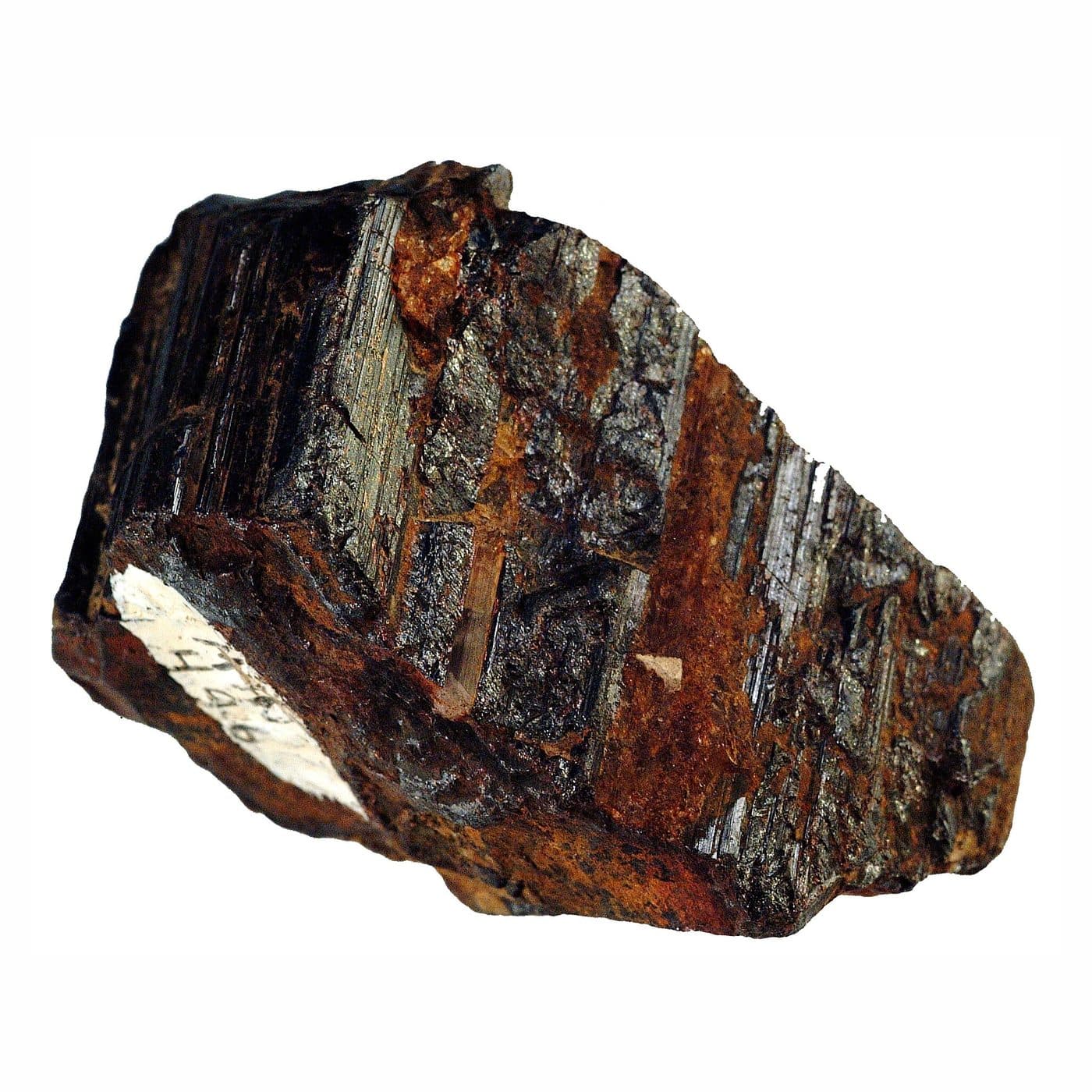
Tin Ore specimen
Shannon Heinle, CC002

Cassiterite — Tin Oxide

Tin Ore

SnO₂

Tin reaches us as cassiterite, tin oxide, and Nigeria has one of the longest-running tin provinces in the world — the Jos Plateau has been worked for over a century, with further production across Bauchi, Nasarawa and Kaduna. Much of the accessible material now comes from alluvial workings and the reprocessing of historic tailings. Cassiterite is dark, resinous and very heavy, and like tantalite it frequently occurs with columbite, so the two are often recovered from the same circuit.

Lead time4–8 weeks from confirmed orderRegulatedSee handling note

Our plan to source it

1

Spec lock

You confirm target Sn grade, tonnage, penalty limits and destination smelter, so we know which sources can actually meet the contract.

2

Traceable source selection

We select holders across the Plateau belt who can evidence origin — tin is a 3TG mineral and smelters will not take an undocumented lot.

3

Chain-of-custody tagging

Material is tagged at aggregation so origin is documented from working through to export.

4

Gravity concentration

Cassiterite's density carries it through jigs, sluices and shaking tables; magnetic separation then strips the columbite and iron minerals that ride with it.

5

Assay & penalty check

Assayed for contained Sn and for arsenic, tungsten and antimony, which carry smelter penalties and can reject a lot outright.

6

Due diligence pack & export

Origin documentation assembled for your smelter's audit, then export licensing and freight to your nominated port.

Regulatory handling — Tin is a 3TG conflict mineral. Lots ship with documented chain of custody to meet OECD due-diligence and smelter conformance requirements.

Target specification

Chemical form
Cassiterite, SnO₂
Target grade
65–72% Sn concentrate
Form supplied
Gravity concentrate, sized
Associated minerals
Columbite–tantalite, zircon, monazite
Penalty elements
As, W, Fe, Sb — assayed per lot
Pricing basis
Per tonne contained Sn, LME-referenced
Packaging
1 MT bags, sealed and tagged
Source region
Jos Plateau, Bauchi, Nasarawa, Kaduna

What it becomes

  • Solder for electronics assembly
  • Tinplate for food packaging
  • Bronze and pewter alloys
  • Tin chemicals and PVC stabilisers
  • Float glass production

Where it’s exported

Tin smelters in Malaysia, Indonesia, China and Thailand take most concentrate, with additional refining capacity in Bolivia, Brazil and Belgium.

We ship FOB or CIF to any destination port you nominate.

Start a Tin Ore Order
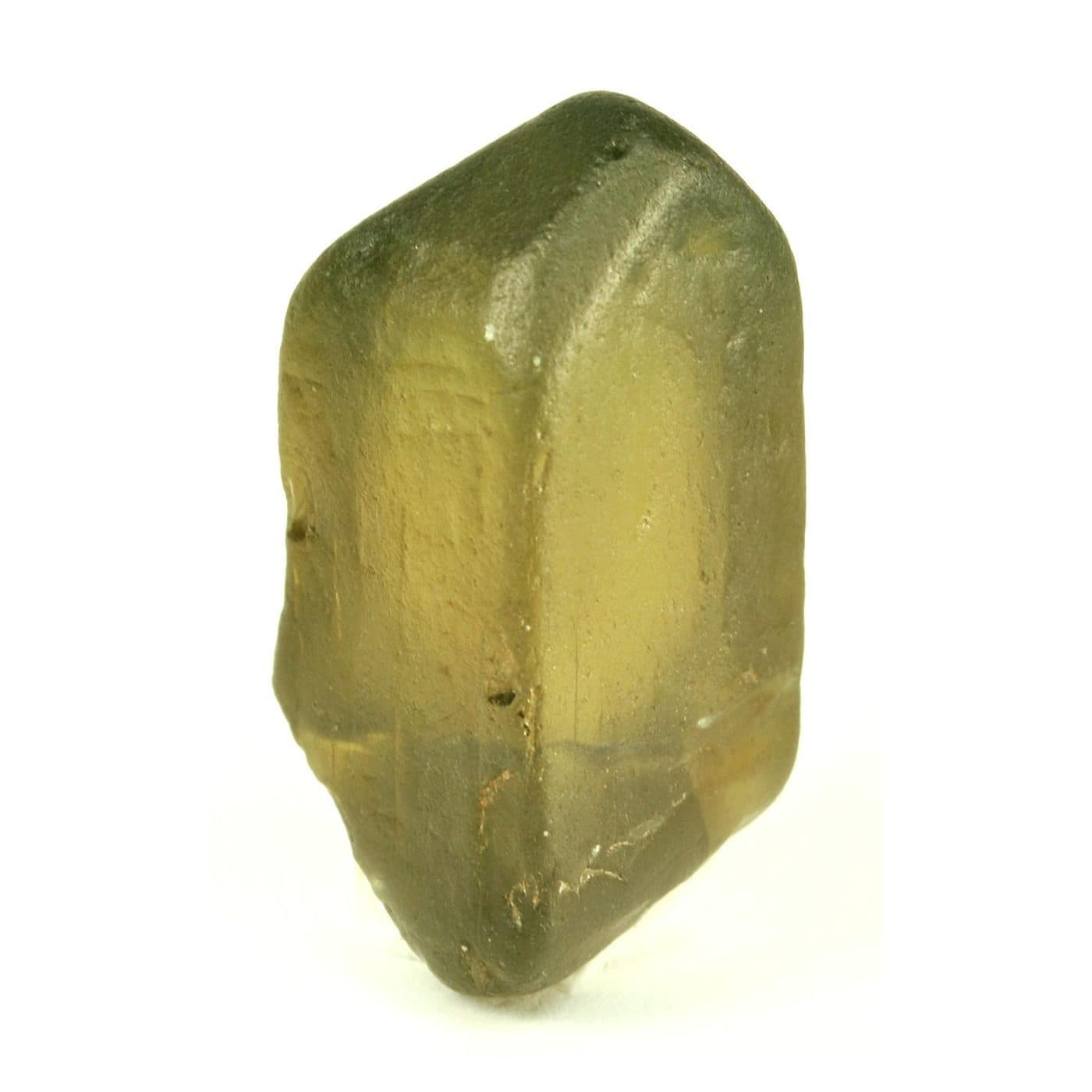
Zircon specimen
Robert M. Lavinsky, CC BY-SA 3.003

Zirconium Silicate

Zircon

ZrSiO₄

Zircon is zirconium silicate, recovered as a fine sand from heavy mineral concentrates and from the tailings of the Jos Plateau tin workings, where it has accumulated over a century of alluvial mining. It is extremely refractory and chemically inert, which is why the ceramics industry uses it as an opacifier in tile glaze and the foundry industry uses it as a mould sand. Premium ceramic grade is judged on ZrO₂+HfO₂ content with tight limits on titanium and iron, which stain a glaze.

Lead time6–10 weeks from confirmed orderRegulatedSee handling note

Our plan to source it

1

Spec lock

You confirm whether you need premium ceramic grade or foundry grade — the ZrO₂ threshold and the TiO₂ and Fe₂O₃ limits differ substantially between the two.

2

Source identification

We target Plateau tin tailings and coastal heavy mineral sand holders whose material historically assays into your bracket.

3

Bulk sampling

A representative bulk sample is drawn and assayed before we commit to aggregating, so you see the grade the source actually delivers.

4

Separation circuit

Heavy mineral concentrate is run through spirals, then magnetic and electrostatic separation to split zircon from ilmenite, rutile and monazite.

5

Radiometric screening

Zircon carries trace uranium and thorium in its lattice; we screen every lot so the shipment sits inside transport and import thresholds.

6

Final assay & export

Certificate of analysis issued against your spec, then bagging, export documentation and freight to your port.

Regulatory handling — Zircon carries naturally occurring trace uranium and thorium. Every lot is radiometrically screened so it ships inside international transport and import thresholds.

Target specification

Chemical form
Zircon, ZrSiO₄
Target grade
64–66% ZrO₂ + HfO₂ (premium ceramic)
Standard grade
From 60% ZrO₂ + HfO₂ (foundry / refractory)
Typical sizing
75–150 µm sand
Penalty elements
TiO₂, Fe₂O₃, Al₂O₃ — glaze staining
Form supplied
Dry-milled or as-separated sand
Packaging
1 MT bags, palletised
Source region
Jos Plateau tailings, coastal heavy mineral sands

What it becomes

  • Ceramic tile and sanitaryware opacifier
  • Foundry mould and core sand
  • Refractory bricks and furnace linings
  • Zirconium metal and chemical feedstock
  • Investment casting shells

Where it’s exported

Ceramic manufacturers in China, Spain, Italy, India and Türkiye are the largest buyers, with foundry and refractory demand across Europe and South-East Asia.

We ship FOB or CIF to any destination port you nominate.

Start a Zircon Order
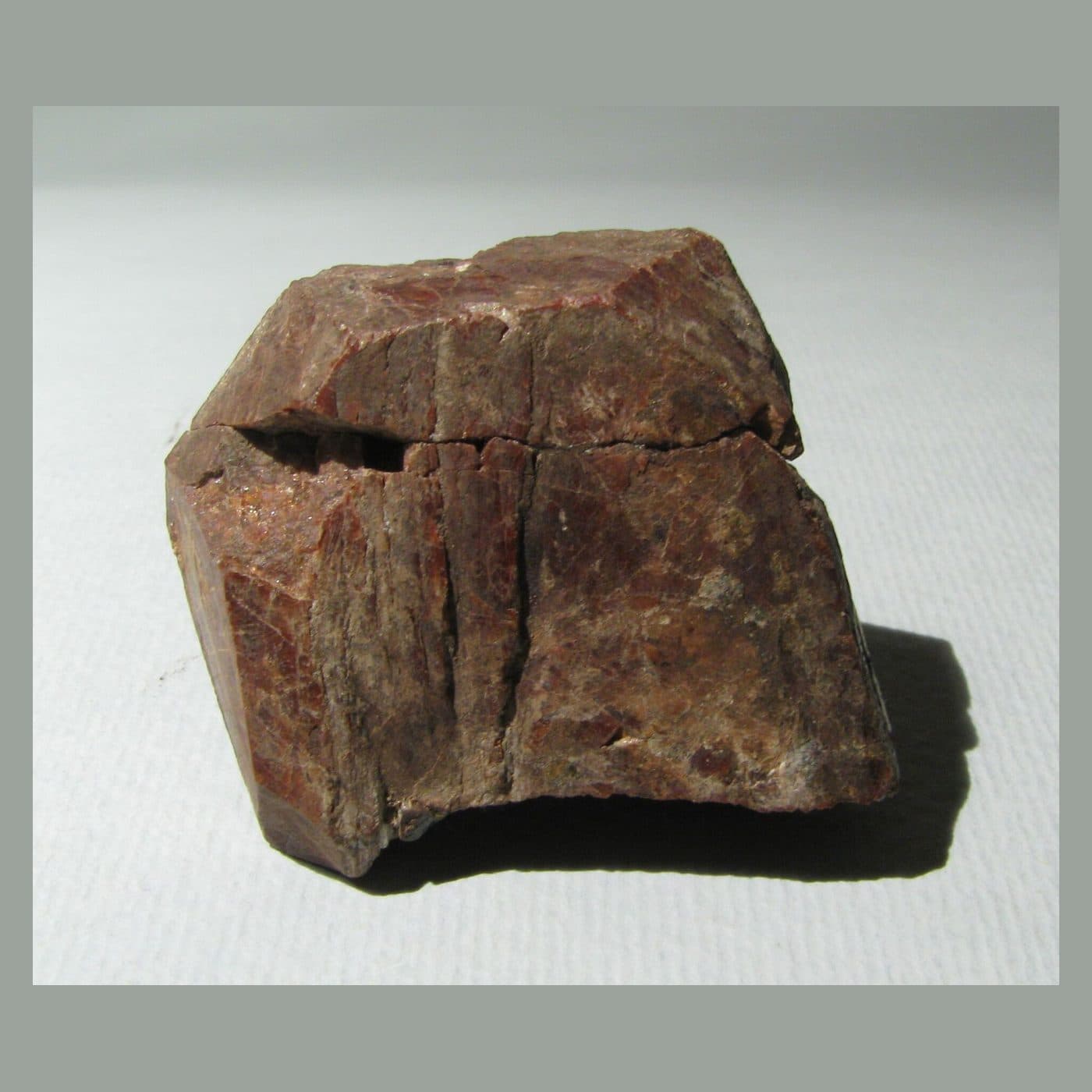
Titanium Ore specimen
Nessa Eull, CC004

Ilmenite & Rutile

Titanium Ore

FeTiO₃ / TiO₂

Titanium reaches the market as two minerals with quite different values: ilmenite, an iron titanate running roughly 45–65% TiO₂, and rutile, near-pure titanium dioxide at 92% and above. Both occur in Nigerian heavy mineral sands along the coastal belt and inland in the Plateau and Kogi systems. The overwhelming majority of world production goes into titanium dioxide pigment — the white in paint, paper, plastics and sunscreen — with a smaller, higher-value stream feeding titanium metal for aerospace.

Lead time6–10 weeks from confirmed order

Our plan to source it

1

Spec lock

You confirm ilmenite or rutile, target TiO₂, and your chromium ceiling — Cr₂O₃ is the specification that most often decides whether a pigment plant can take a cargo.

2

Source identification

We target heavy mineral sand holders whose deposits historically carry the TiO₂ and chromium profile your process route needs.

3

Bulk sampling

Representative sample drawn and assayed for the full oxide suite before aggregation begins.

4

Separation circuit

Spirals concentrate the heavy fraction; magnetic separation splits the magnetic ilmenite from the non-magnetic rutile and zircon, and electrostatic separation finishes the split.

5

Grade verification

Independent assay against your spec, with the chromium and phosphorus results issued before shipment rather than after.

6

Export & delivery

Certificate of analysis, export licensing, and freight to your nominated port on FOB or CIF terms.

Target specification

Chemical form
Ilmenite (FeTiO₃), Rutile (TiO₂)
Target grade — ilmenite
45–54% TiO₂
Target grade — rutile
92–95% TiO₂
Typical sizing
90–180 µm sand
Penalty elements
Cr₂O₃, P₂O₅, U/Th — pigment-critical
Form supplied
Separated mineral sand
Packaging
1 MT bags or bulk container
Source region
Coastal heavy mineral sands, Plateau, Kogi

What it becomes

  • Titanium dioxide pigment for paint and coatings
  • Paper, plastics and ink whitening
  • Titanium metal for aerospace and medical use
  • Welding rod flux coatings
  • Sunscreen and cosmetics

Where it’s exported

Pigment producers in China, the United States, the European Union, India and Saudi Arabia, with titanium sponge and metal demand from aerospace supply chains in the US, Japan and Russia.

We ship FOB or CIF to any destination port you nominate.

Start a Titanium Ore Order
Monazite specimen
Aangelo, CC BY-SA 3.005

Rare-Earth Phosphate

Monazite

(Ce,La,Nd,Th)PO₄

Monazite is a rare-earth phosphate and one of the principal sources of the light rare earths — cerium, lanthanum, praseodymium and, commercially most important, neodymium, which goes into the permanent magnets in EV motors and wind turbines. It occurs in Nigerian alluvial and beach heavy mineral sands, typically alongside zircon and ilmenite, and in pegmatite placers. Monazite also carries thorium in its crystal structure, which makes it a regulated radioactive material and shapes how it can be handled, stored and exported.

Lead time8–14 weeks from confirmed orderRegulatedSee handling note

Our plan to source it

1

Spec & licence check

You confirm TREO target and destination, and we confirm your facility is licensed to receive thorium-bearing material — this determines whether the trade can proceed at all.

2

Source identification

We target heavy mineral sand and placer holders whose concentrate carries a favourable neodymium and praseodymium split, since the magnet oxides drive the value.

3

Separation circuit

Monazite is recovered from heavy mineral concentrate by gravity, then magnetic separation, which cleanly divides it from zircon and rutile.

4

Radiometric characterisation

Full radiometric assay establishes the thorium and uranium content that governs packaging, transport class and import clearance.

5

Regulatory clearance

We obtain Nigerian nuclear regulatory clearance for export and prepare the Class 7 transport documentation the shipment requires.

6

Controlled export

Drummed, labelled and shipped through carriers approved for radioactive material, with the full assay and clearance pack travelling with the cargo.

Regulatory handling — Monazite is a NORM — naturally occurring radioactive material — because of its thorium content. Export requires Nigerian nuclear regulatory clearance, Class 7 transport handling, and a licensed receiving facility at destination. Lead times reflect that permitting.

Target specification

Chemical form
Monazite, (Ce,La,Nd,Th)PO₄
Target grade
55–65% total rare-earth oxide (TREO)
Key payable oxides
Nd₂O₃, Pr₆O₁₁, La₂O₃, CeO₂
Thorium content
Typically 4–8% ThO₂ — declared per lot
Form supplied
Separated mineral sand concentrate
Pricing basis
Per tonne contained TREO, magnet-oxide weighted
Packaging
Sealed drums, radiometrically labelled
Source region
Coastal heavy mineral sands, Plateau placers

What it becomes

  • Neodymium permanent magnets for EV motors and wind turbines
  • Rare-earth separation feedstock
  • Catalytic converters and petroleum cracking catalysts
  • Optical glass polishing and glass decolourising
  • Phosphors for lighting and displays

Where it’s exported

Rare-earth separation plants in China dominate, with additional capacity in Malaysia, Estonia, France and emerging processing projects in the United States and Australia.

We ship FOB or CIF to any destination port you nominate.

Start a Monazite Order
Limonite specimen
James St. John, CC BY 2.006

Hydrated Iron Oxide

Limonite

FeO(OH)·nH₂O

Limonite is not a single mineral but a weathered mixture of hydrated iron oxides, mostly goethite, formed where iron-bearing rock has broken down at surface. It is the ochre-to-brown material that gives lateritic soils their colour. Nigeria's occurrences run through Kogi, Enugu and the Agbaja plateau, where the oolitic ironstone is extensive and shallow. Its defining commercial characteristic is water — limonite loses mass on heating — and, in the Nigerian oolitic deposits, phosphorus, which is the specification that governs whether a steelmaker can use it.

Lead time4–8 weeks from confirmed order

Our plan to source it

1

Spec lock

You confirm target Fe and, critically, your phosphorus ceiling — Nigerian oolitic limonite runs high in phosphorus and that single figure decides which deposits we can draw on.

2

Deposit selection

We match your spec to holders whose material assays inside your phosphorus and silica limits rather than simply meeting the iron grade.

3

Bulk sampling & assay

Representative sampling with full assay including loss on ignition, so you are buying on dry contained iron rather than shipped weight.

4

Crushing & screening

Ore is crushed and screened to your size fraction, with washing to strip the clay that rides with weathered lateritic material.

5

Beneficiation

Where your spec demands it, gravity and magnetic separation lift the iron grade and reduce silica and alumina.

6

Export & delivery

Moisture-controlled loading, certificate of analysis, export documentation and freight to your port.

Target specification

Chemical form
Goethite-dominant, FeO(OH)·nH₂O
Target grade
45–58% Fe, beneficiated
Loss on ignition
10–14% — declared per lot
Penalty elements
P, SiO₂, Al₂O₃ — phosphorus is critical
Form supplied
Crushed and screened lump or fines
Typical sizing
0–10 mm fines; 10–40 mm lump
Packaging
Bulk container or 1 MT bags
Source region
Kogi (Agbaja), Enugu, Benue

What it becomes

  • Iron and steel blast furnace feed
  • Cement manufacture as an iron corrective
  • Natural ochre and umber pigments
  • Heavy media separation
  • Water treatment and gas purification media

Where it’s exported

Steel producers in China, India, Türkiye and the Gulf take most iron ore tonnage, with pigment and cement demand spread across Europe and Asia.

We ship FOB or CIF to any destination port you nominate.

Start a Limonite Order
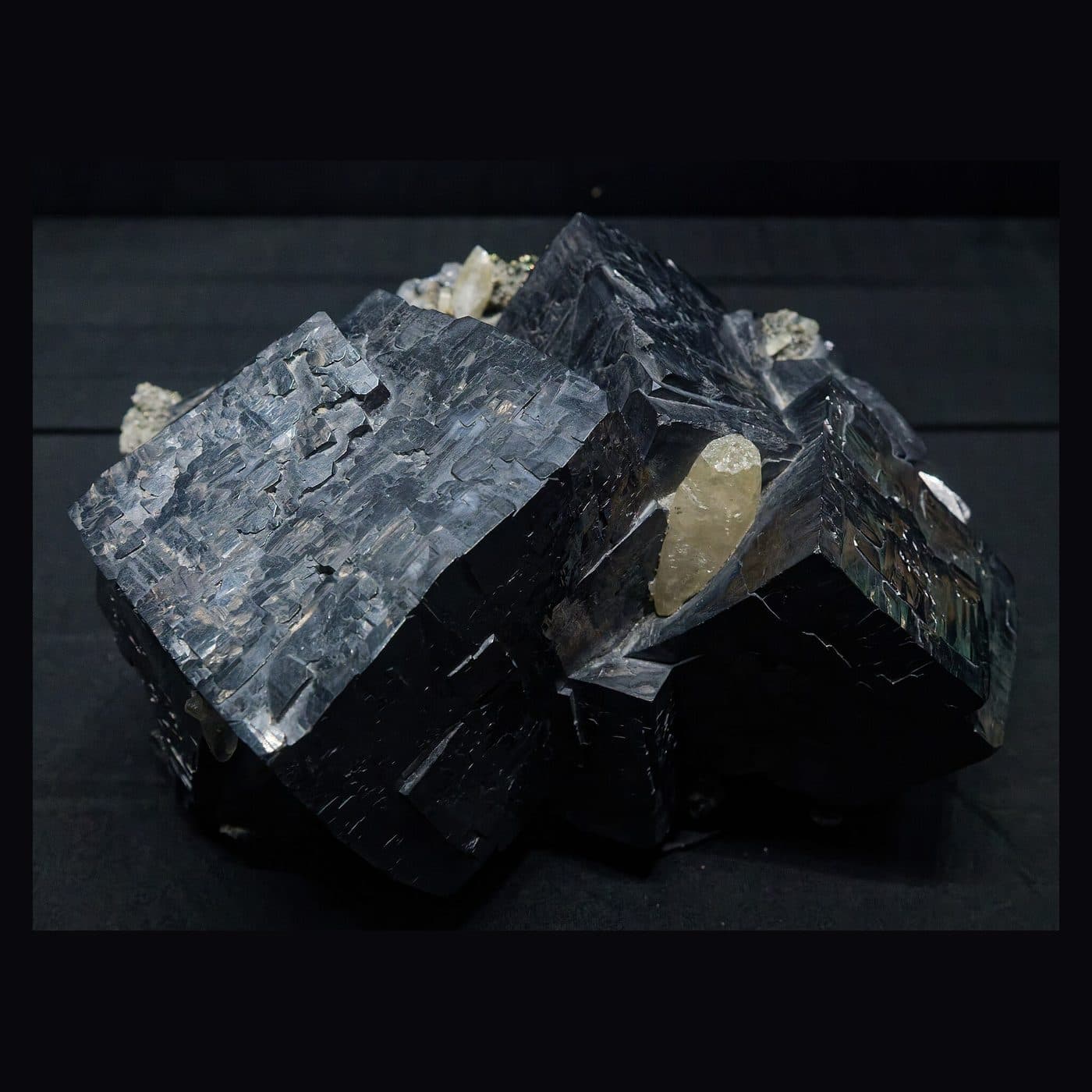
Lead specimen
Marie-Lan Taÿ Pamart, CC BY 4.007

Galena — Lead Sulphide

Lead

PbS

Beyond the paired lead–zinc ore we hold in active inventory, we source standalone high-grade galena where a buyer needs lead on its own rather than as part of a polymetallic lot. Galena is lead sulphide — the dense, bright metallic-grey mineral that has been the world's principal lead ore for millennia — and it comes from the same Benue Trough vein systems running through Ebonyi, Benue, Nasarawa and Plateau. Sourcing to order lets us select matrices with the silver credit or the low-antimony profile a specific smelter wants.

Lead time3–6 weeks from confirmed order

Our plan to source it

1

Spec lock

You confirm target Pb grade, tonnage, penalty limits and whether you are paying for the silver credit — that determines which matrices are worth drawing on.

2

Matrix selection

We go to the specific vein workings whose galena carries the profile you need, rather than aggregating whatever is nearest to hand.

3

Hand sorting & upgrading

Ore is hand-cobbed to strip gangue, then gravity-separated on jigs and tables to lift the head grade.

4

Flotation to concentrate

Where your smelter requires concentrate rather than sorted lump, the lot is floated to specification.

5

Assay & penalty check

Assayed for contained Pb, for silver, and for the antimony, arsenic and bismuth that carry smelter penalties.

6

Export & delivery

Bagged, weighed and sealed, with certificate of analysis, export documentation and freight to your port.

Target specification

Chemical form
Galena, PbS
Target grade
60–75% Pb, selected lump or concentrate
Silver credit
Assayed and payable where present
Penalty elements
Sb, As, Bi, Zn — smelter dependent
Form supplied
Hand-sorted lump or flotation concentrate
Pricing basis
Per tonne contained Pb, LME-referenced
Packaging
1 MT jumbo bags, container-loaded
Source region
Ebonyi, Benue, Nasarawa, Plateau

What it becomes

  • Lead-acid battery manufacture
  • Radiation shielding for medical and nuclear use
  • Cable sheathing and roofing
  • Ammunition and counterweights
  • Lead chemicals and specialist alloys

Where it’s exported

Primary and secondary lead smelters in China, India, South Korea and Türkiye, with additional refining capacity across Europe.

We ship FOB or CIF to any destination port you nominate.

Start a Lead Order

Don’t see what you need?

We source well beyond our active stock. Tell us the mineral, the grade, and the volume, and we’ll put it together through our network.